
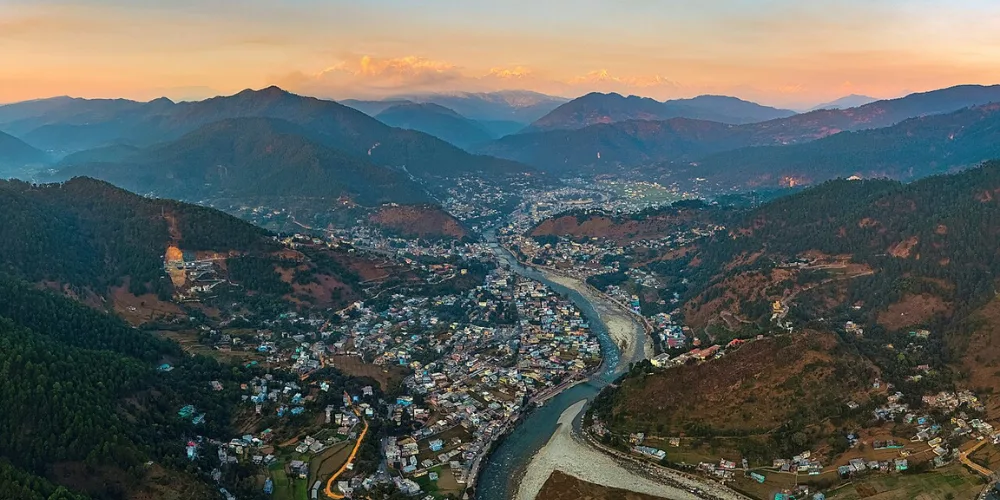
Mountains hold a quiet draw for many people. Whether it’s Everest’s intimidating summit or the peaceful valleys of the Alps, these landscapes offer opportunities for adventure, reflection, and connection.
In this guide, we at Remitly will take you on a journey across the world’s most famous mountain ranges, highlighting iconic peaks, practical travel tips, and cultural insights. From accessible trails for beginners to challenging slopes for experienced hikers, the world’s mountains create memorable experiences for every type of traveler.
The Himalayas: crown jewels of Asia

The Himalayas are among the most widely revered mountain destinations in the world. Stretching across Nepal, Tibet, India, Bhutan, and Pakistan, they are home to the highest mountain peaks on Earth, including Mount Everest, K2, and Annapurna.Visiting this region can be as much about connecting with local culture as exploring the landscape. Along the way, you’ll see Buddhist monasteries, colorful prayer flags, and ice-cold rivers fed by glaciers. Small villages offer chances to meet people who have maintained traditions for generations, giving you a deeper sense of life beyond the peaks.
Experiencing the Himalayas
Even if climbing Everest feels out of reach, you can still experience all the Himalayas offer. Popular treks, like Everest Base Camp or the Annapurna Circuit, let you enjoy scenic views without needing technical climbing skills.
For experienced hikers, Bhutan’s Snowman Trek is one of the world’s most remote and demanding routes—challenging even seasoned trekkers.
If you’d rather take it easy, flights over Everest and the surrounding peaks provide expansive aerial views without the physical strain. Small towns like Namche Bazaar in Nepal or Leh in Ladakh offer lively markets, cozy guesthouses, and opportunities to experience daily life firsthand.
Himalayas travel tips
- Best seasons: Spring (March–May) and autumn (September–November) often have the clearest skies and most stable weather.
- Accessibility: Some treks require permits, and guides may be recommended before visiting certain areas. Check ahead with local authorities to simplify planning.
- Safety: Ascend gradually and stay hydrated to reduce the effects of altitude sickness. Setting aside time for rest days can also help your body adjust.
The Alps: Europe’s adventure playground

The Alps spread over several countries, including Italy, France, Austria, Switzerland, Liechtenstein, Germany, Slovenia, and Monaco. While Switzerland and Austria have the largest Alpine areas, Italy has the most mountain peaks.
Famous mountain destinations like Mont Blanc, the tallest summit in Western Europe, and the Matterhorn, with its distinctive pyramidal shape, draw travelers from around the world. But the Alps offer more than hiking and skiing: visiting lets you experience local villages and cuisines while learning about regional traditions.
Experiencing the Alps
The Alps are covered in snow in winter, making them a popular ski and snowboarding spot. When the snow melts, trails open for hiking, climbing, and mountain biking, allowing you to enjoy alpine meadows, glacial rivers, and rocky ridges at your own pace.
For a less strenuous experience, scenic trains like Switzerland’s Glacier Express or cable cars like the Eiger Express provide easy access to panoramic views.
But if you’re looking for more adventure, via ferrata routes—protected climbing paths with cables and ladders—let you safely reach higher elevations even without technical climbing experience.
Villages like Chamonix, Zermatt, or Cortina d’Ampezzo are known for their comfortable restaurants, local markets, and seasonal festivals. They offer you different ways to discover Alpine culture.
The Alps travel tips
- Best seasons: Winter (December–April) is best for skiing, while summer (June–August) is the time for hiking and lake adventures. Shoulder season (May, September, and October) often has fewer crowds.
- Accessibility: Most trails are open to climbers of all levels, no permits required. Well-maintained trails, mountain huts, cable cars, and trains make it easy to access these majestic mountains safely.
- Safety considerations: Weather can change quickly, so pack layers, check local forecasts, and prepare for sudden storms.
The Andes: South America’s mighty backbone

At over 4,300 miles (7,000 kilometers), the Andes are the world’s longest continental mountain range. They occupy seven countries: Argentina, Venezuela, Colombia, Ecuador, Peru, Bolivia, and Chile.
Here, jagged peaks, volcanic landscapes, and vast wilderness combine with rich cultural heritage. Legendary peaks like Aconcagua—the tallest one outside the Himalayas—share the stage with Patagonia’s windswept valleys and the Inca Empire’s ancient routes.