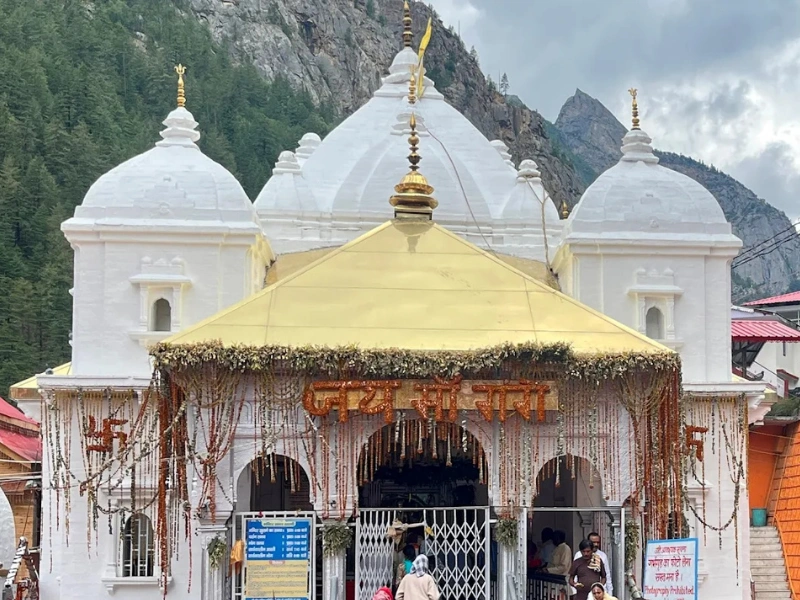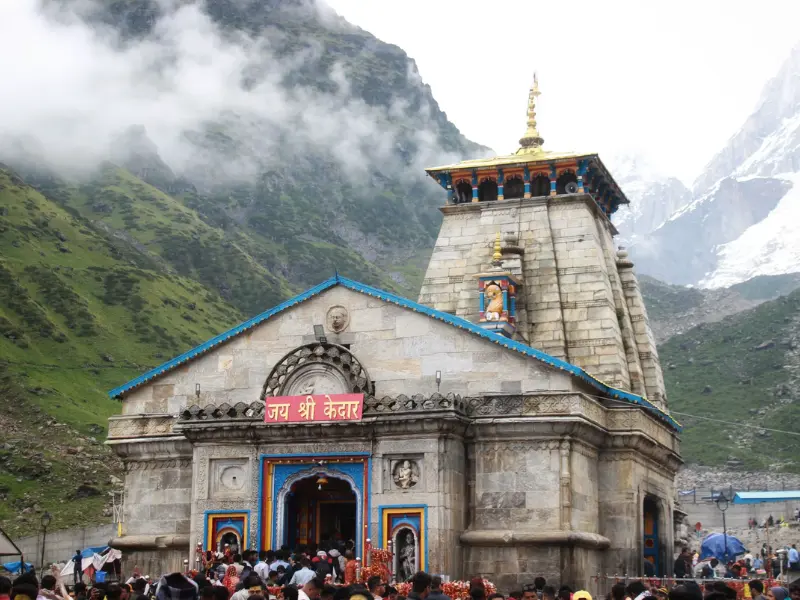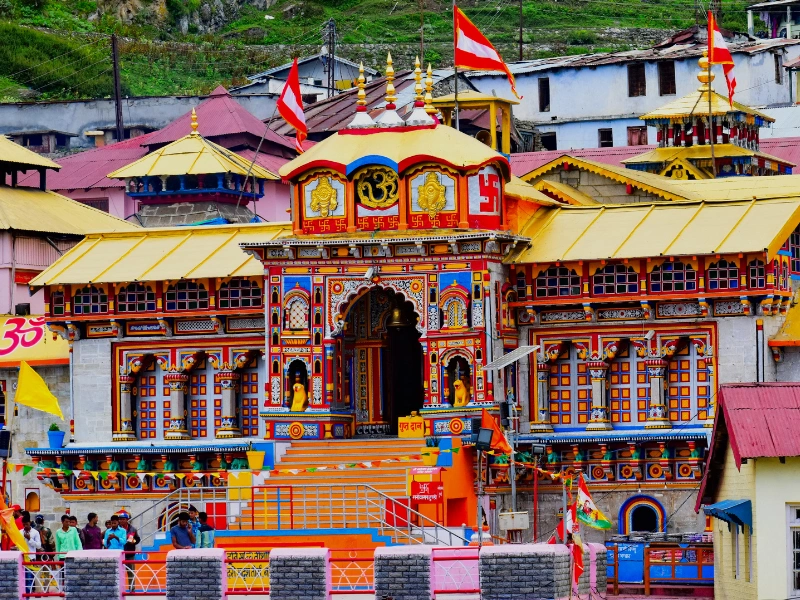
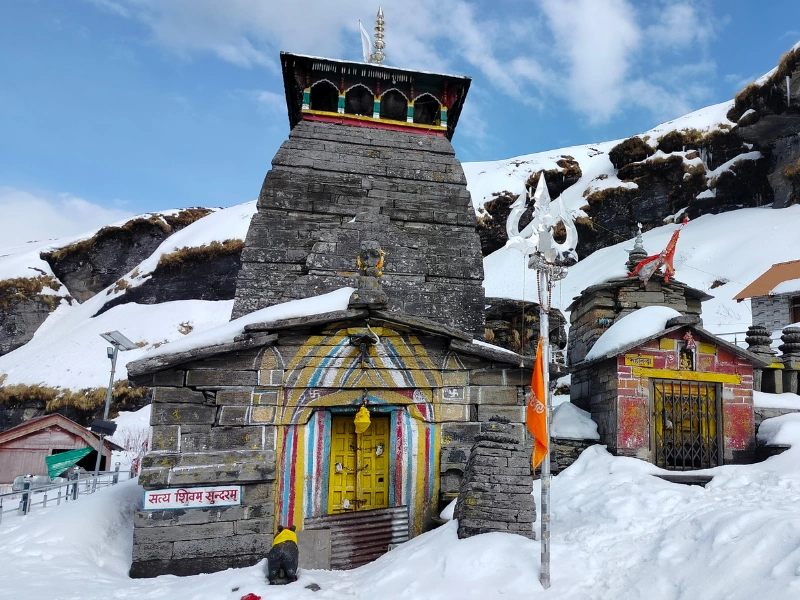
Uttarakhand, often referred to as Devbhoomi (Land of the Gods), is home to some of the most revered Hindu temples in India. The state’s temple tradition is deeply connected with the Himalayas, ancient pilgrimage routes, and river systems such as the Ganga and Yamuna.
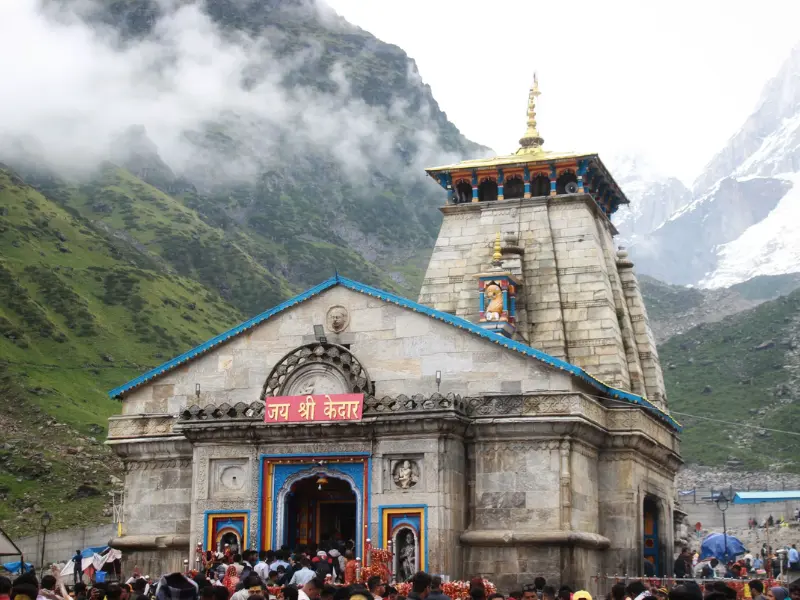
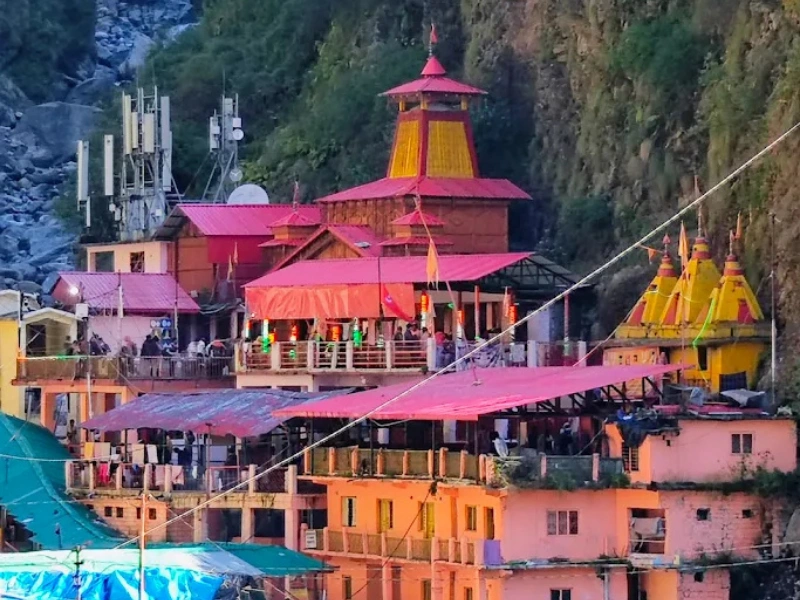
Prominent shrines include Kedarnath Temple, dedicated to Lord Shiva, and Badrinath Temple, dedicated to Lord Vishnu. These temples form part of the Char Dham Yatra, a major pilgrimage circuit. Other important shrines include Gangotri Temple and Yamunotri Temple, which mark the origins of the rivers Ganga and Yamuna. Many temples in the region date back centuries and are associated with legends from the Mahabharata and the Puranas.
Apart from the Char Dham shrines, Uttarakhand also has numerous local and regional temples that reflect the cultural identity of the hill communities. Temples such as Jageshwar Temples, a complex of over 100 ancient stone shrines, and Neelkanth Mahadev Temple, located near Rishikesh, are important religious and architectural landmarks.
The architecture of these temples commonly follows the Nagara style, built with locally available stone and wood. Seasonal fairs, religious festivals, and village rituals are closely linked to these shrines, making them centres of both faith and social life. The temples of Uttarakhand continue to shape the state’s spiritual tourism and remain an essential part of its historical and cultural landscape.